Best Pocket Vlogging Camera for Content Creators in 2026(Insta360 Luna Ultra & Top Picks)
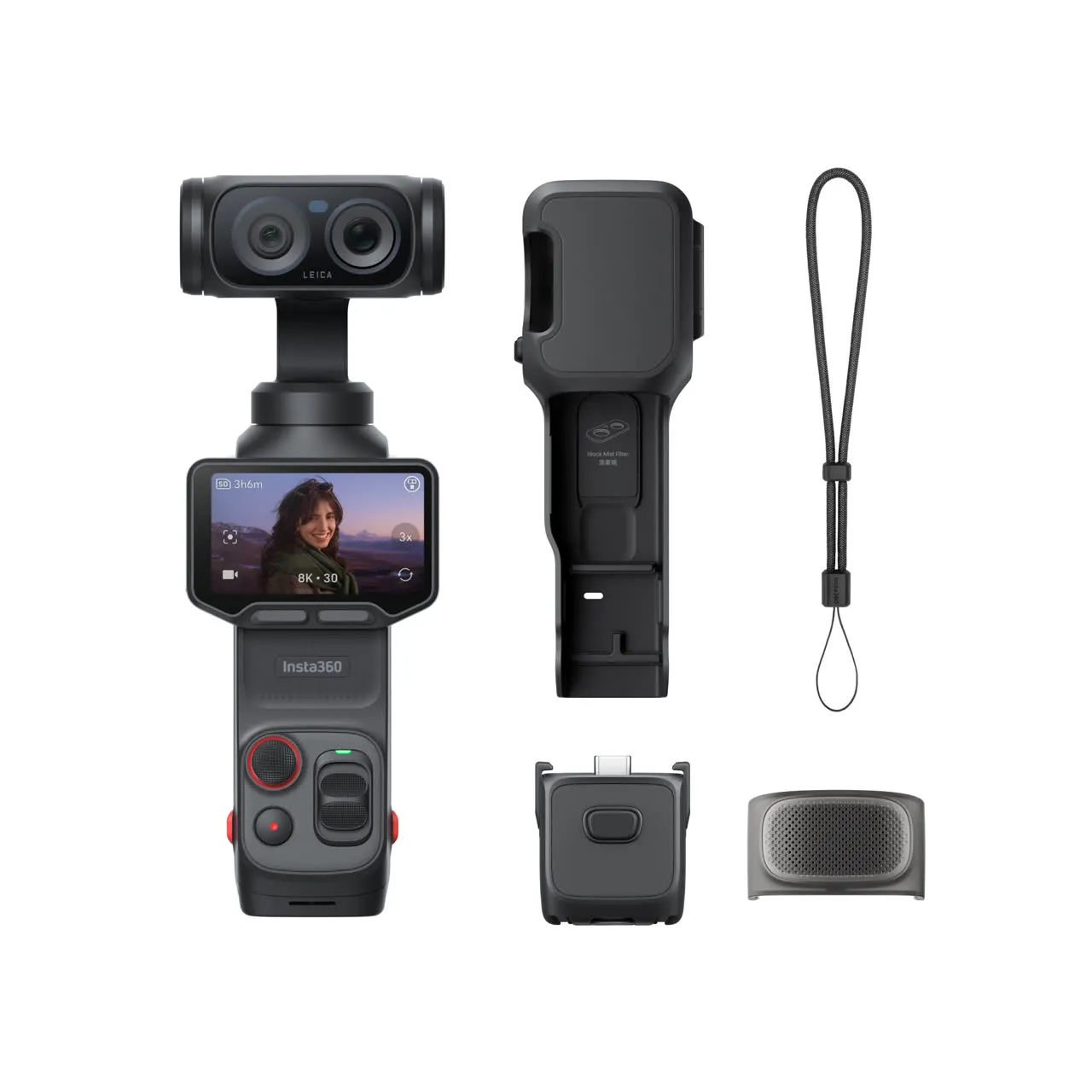
Finding the best pocket vlogging camera for content creators in 2026 is harder than ever — the market is packed with compelling options from DJI and Insta360, each promising cinematic quality in a palm-sized form factor. Based on published specifications, independent creator reviews, and hands-on coverage from the camera community, the Insta360 Luna Ultra stands out as the definitive pocket vlogging camera this year. It combines a 1-inch 8K CMOS sensor, Leica Summicron dual-lens optics, and a category-first detachable wireless monitor — a combination no competitor matches in 2026.
Whether you're a travel vlogger shooting on the move, a YouTube creator building a channel, or a social media creator who needs cinematic quality without a bulky rig, this guide cuts through the noise. Below you'll find a full Insta360 Luna Ultra review breakdown, a ranked listicle of the top five pocket vlogging cameras, a head-to-head comparison against the DJI Osmo Pocket 4 Pro, a practical buying guide, and answers to the most common questions creators have before buying.
Why the Insta360 Luna Ultra Tops the List for 2026
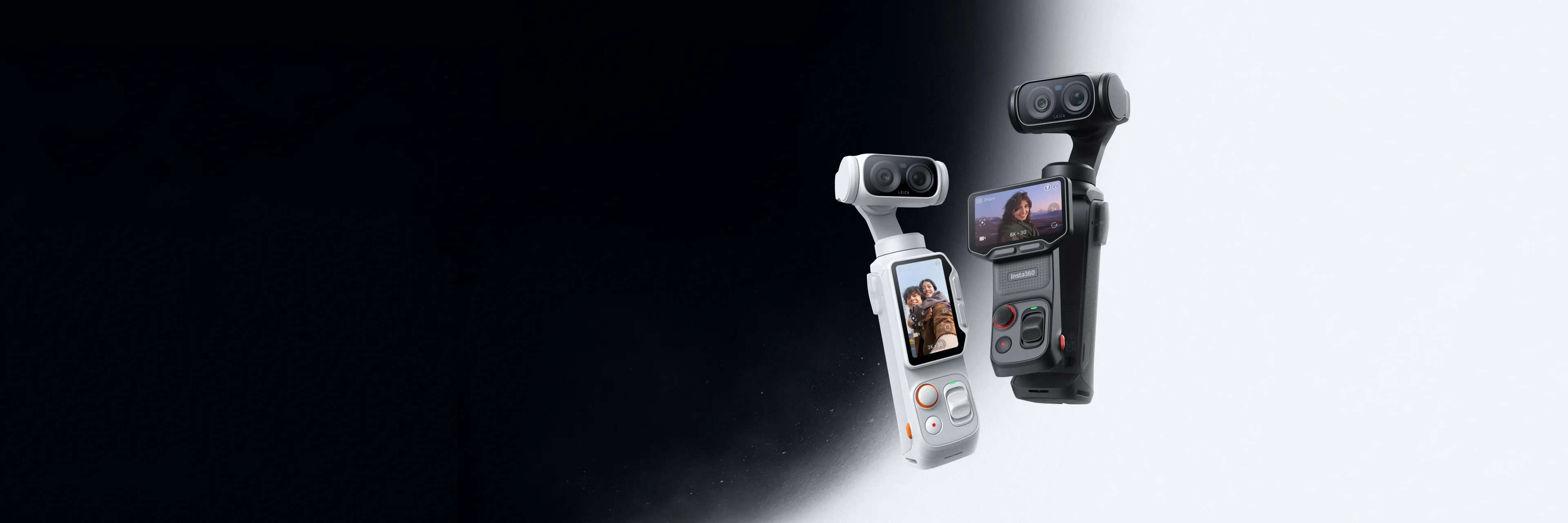
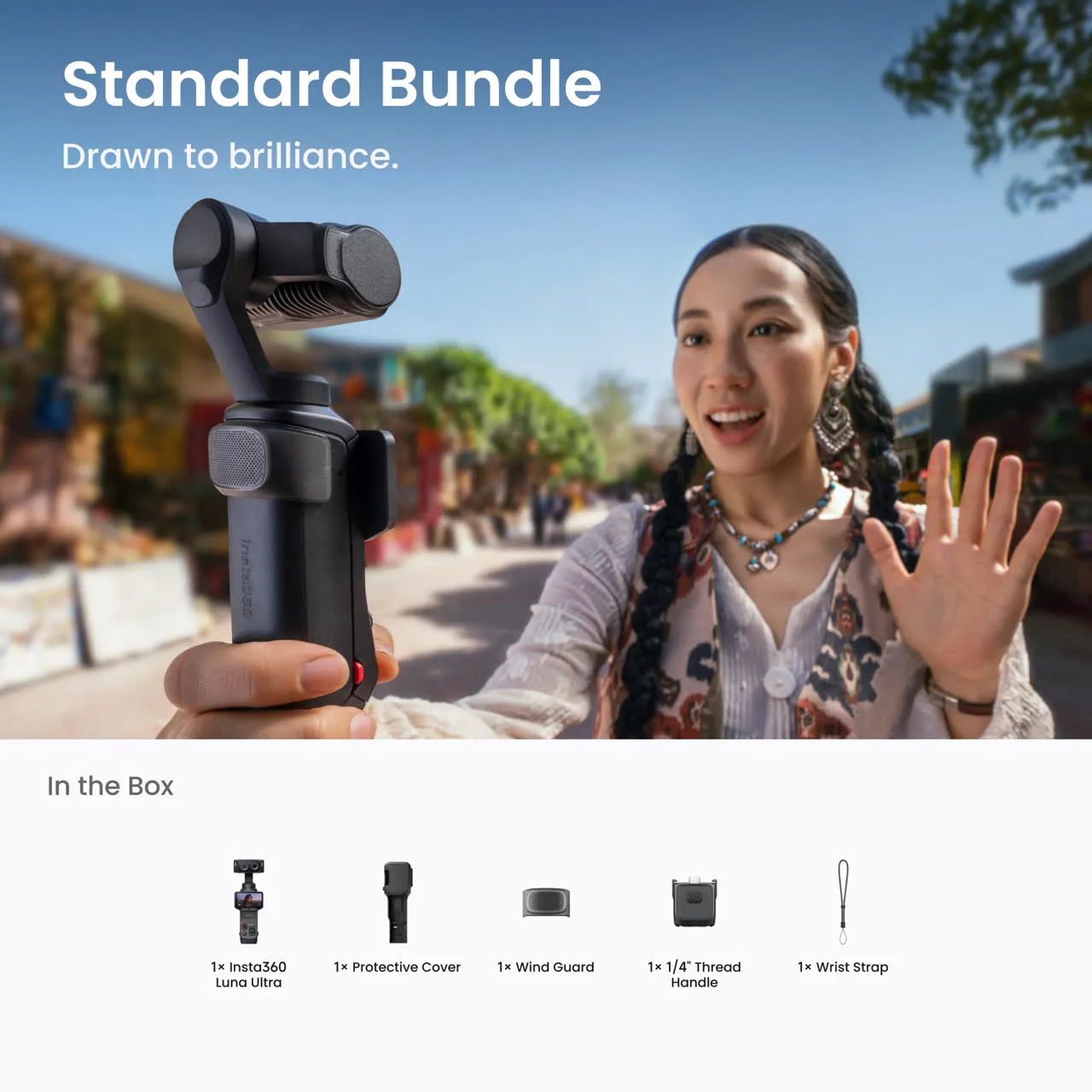
The Insta360 Luna Ultra earns the top spot in 2026 by combining hardware specs that no other pocket gimbal camera comes close to matching: a 1-inch sensor, dual Leica lenses, mechanical gimbal stabilization, and a detachable wireless monitor in a single pocketable body. Based on creator coverage and published specifications, this is the most capable pocket vlogging camera available today.
Leica Summicron Optics & 1-Inch 8K Sensor Explained
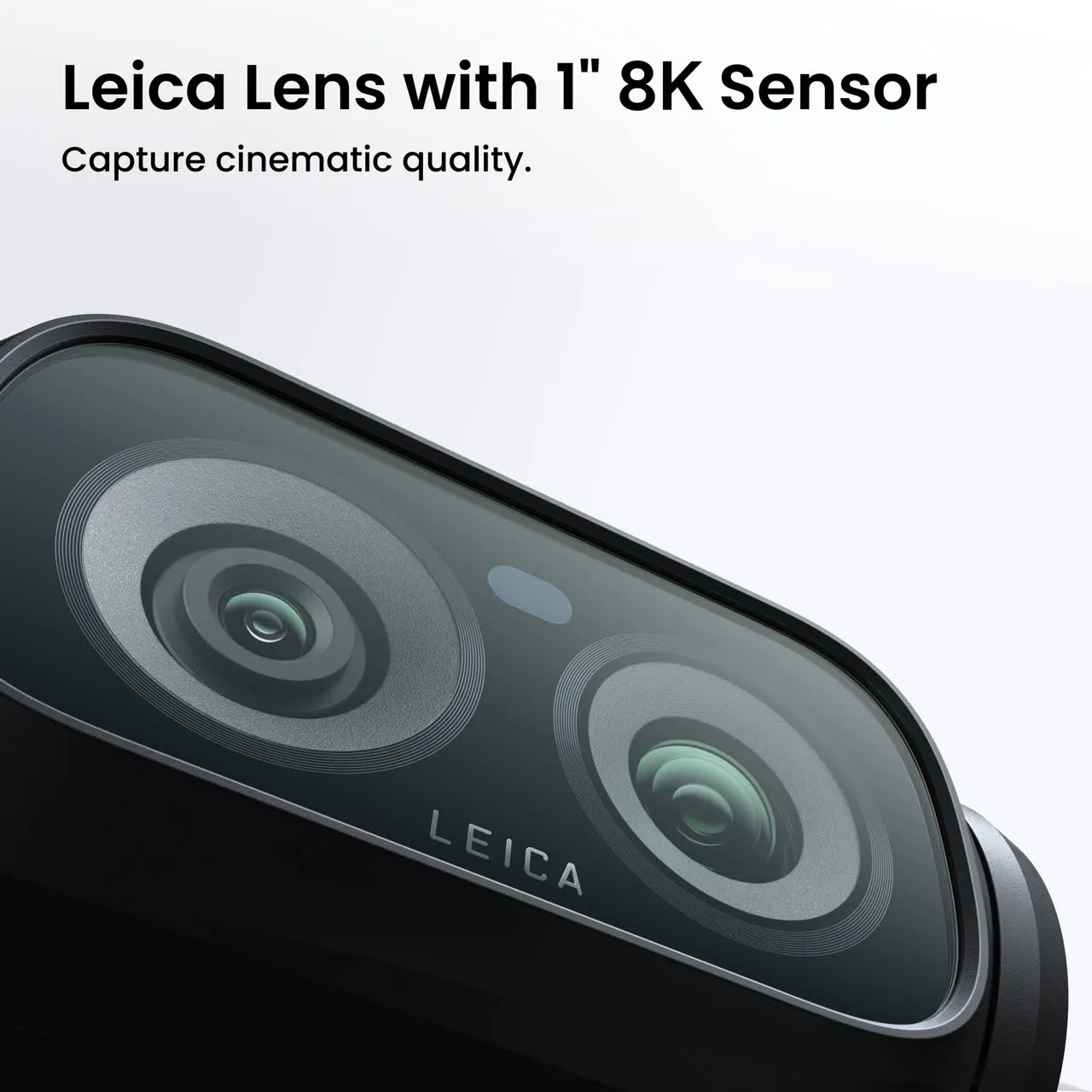
The Leica Summicron partnership gives the Luna Ultra two purpose-tuned lenses: a 20mm F1.8 wide-angle main lens for vlogging, landscapes, and indoor shooting, and a 120mm telephoto lens for cinematic compression, subject isolation, and long-range detail. The F1.8 aperture on the wide lens is exceptional for pocket cameras — it lets in significantly more light than competing designs, translating to cleaner footage in low-light environments like restaurants, evening streets, or indoor venues.
The underlying 1-inch 8K CMOS sensor is the largest you'll find in any pocket gimbal camera. Larger sensors capture more light per pixel, produce a more natural background separation (shallow depth of field), and retain more dynamic range in high-contrast scenes — qualities that were previously only available on full-frame mirrorless cameras or DSLRs. For a 1-inch sensor pocket camera with gimbal stabilization, the Luna Ultra is in a category of one.
Detachable Wireless Monitor: A First for Pocket Gimbal Cameras
No other pocket gimbal camera — including the DJI Osmo Pocket 4 Pro — offers a detachable screen. The Luna Ultra's detachable wireless monitor removes from the body and transmits a live feed wirelessly, so you can position the camera in creative locations (chest mount, overhead pole, tight spaces) while still composing your shot on a separate display. This is a genuine creative advantage for solo vloggers shooting themselves without a tripod or assistant.
The module also functions as an audio interface, accepting external microphone input. This dual role as both a detachable screen vlogging camera accessory and audio module is an elegant hardware design decision that DJI has not matched.
Who the Luna Ultra Is Built For
Based on its specifications and design, the Luna Ultra is built for travel vloggers, YouTube content creators, and social media videographers who prioritize image quality and creative flexibility in a pocketable form factor. It is ideal for anyone who:
- Shoots solo and needs a detachable screen to frame themselves
- Travels frequently and can't carry a large mirrorless kit
- Needs reliable stabilization without a separate gimbal rig
- Wants future-proof 8K footage for reframing and cropping in post
- Values image quality above all — Leica optics are a notable prestige differentiator
It may not be ideal for pure beginners who just want point-and-shoot simplicity, or for creators on a tight budget — the DJI Osmo Pocket 3 is a better entry-level option in that case.
Top Pocket Vlogging Cameras for Content Creators — 2026 Ranked List
The five cameras below represent the best pocket vlogging cameras available for content creators in 2026, ranked by overall imaging capability, stabilization quality, and creator-relevant features. All assessments are based on published manufacturer specifications and independent creator coverage.
1. Insta360 Luna Ultra — Best Overall Pocket Vlogging Camera for Content Creators
Based on published specifications and creator coverage, the Insta360 Luna Ultra is the most technically advanced pocket vlogging camera available in 2026. The combination of Leica Summicron dual-lens optics, a 1-inch 8K sensor, 3-axis mechanical gimbal stabilization, and a category-first detachable wireless monitor makes it the clear choice for serious creators who demand the best in a pocket-sized package.
✓ Pros
- ✓ Largest sensor in class — 1-inch outperforms all competitors
- ✓ Dual Leica Summicron lenses including rare 120mm telephoto
- ✓ Detachable wireless monitor — no competitor offers this
✗ Cons
- ✗ Premium price tier compared to DJI Osmo Pocket 3
- ✗ 8K requires more storage and processing power for editing
Best for: Travel vloggers, YouTubers, and creators who want maximum quality in a pocket camera
2. DJI Osmo Pocket 3 — Best Established Pocket Gimbal Camera
The DJI Osmo Pocket 3 is the proven, reliable choice for creators who want excellent pocket gimbal results without the premium price of 2026's newest hardware. It features a 1/1.3-inch sensor, 4K/120fps recording, a large 2-inch rotatable touchscreen, and DJI's best-in-class ActiveTrack subject tracking — all at a significantly lower price point than the Luna Ultra.
✓ Pros
- ✓ Proven reliability with DJI's mature ecosystem and app
- ✓ Large 2-inch rotatable screen for easy self-shooting
- ✓ Best value in the pocket gimbal category for 2026
✗ Cons
- ✗ Smaller 1/1.3-inch sensor limits low-light vs Luna Ultra
- ✗ No telephoto lens — single focal length only
Best for: Budget-conscious creators and beginners who want a reliable pocket gimbal camera
3. DJI Osmo Pocket 4 Pro — Best for Cinematic Color Grading
The DJI Osmo Pocket 4 Pro is DJI's 2026 flagship and the Luna Ultra's most direct competitor. It features a 1/1.3-inch sensor, DJI's D-Log M color profile for extensive grading latitude, up to 4K/60fps, and an improved stabilization system. It remains an excellent choice for creators already deep in the DJI ecosystem — but it falls short of the Luna Ultra on sensor size, focal length variety, and monitor flexibility.
✓ Pros
- ✓ D-Log M color profile gives excellent grading flexibility
- ✓ Strong DJI app ecosystem and editing integrations
- ✓ Proven build quality and reliability from DJI
✗ Cons
- ✗ Smaller sensor than Luna Ultra — noticeable in low light
- ✗ No telephoto lens, no detachable screen module
Best for: DJI ecosystem users and creators who prioritize color grading in post-production
4. Insta360 GO Ultra — Best Tiny Hands-Free 4K Pocket Camera
The Insta360 GO Ultra is a different kind of pocket camera — it's designed to be worn or mounted anywhere, giving creators hands-free point-of-view footage. At under 40g, it clips to clothing, helmets, or accessories and records stabilized 4K video. It lacks the gimbal mechanism of the other picks, relying instead on electronic stabilization, but its versatility and wearability make it a compelling secondary or travel camera.
✓ Pros
- ✓ Incredibly compact and lightweight — clips to anything
- ✓ Hands-free shooting unlocks unique POV footage
- ✓ Great beginner experience with simple controls
✗ Cons
- ✗ Smaller sensor than gimbal-based competitors
- ✗ No traditional vlogging screen or audio module
Best for: Action creators, travelers, and anyone who wants a tiny secondary camera for hands-free shots
5. Sony ZV-1 II — Best Compact Camera for Vloggers Who Want Interchangeable Feel
The Sony ZV-1 II is a traditional compact camera rather than a pocket gimbal, but it earns a place on this list for its excellent vlogging-specific design features: a wide 18–50mm zoom equivalent lens, Sony's acclaimed Real-time Tracking autofocus, a flip-out selfie screen, and a directional 3-capsule microphone. It's best suited for creators who prefer the tactile feel of traditional camera controls and Sony's color science.
✓ Pros
- ✓ Sony's excellent Real-time Tracking AF — best face/eye AF in class
- ✓ 18–50mm zoom range gives more focal flexibility than fixed-lens gimbal cams
- ✓ Vlogger-specific design with directional 3-capsule mic
✗ Cons
- ✗ No built-in gimbal — relies on electronic stabilization
- ✗ 4K/30fps only — no slow motion or 8K option
Best for: Creators who want a traditional compact camera feel with Sony color science and zoom capability
How to Choose the Best Pocket Vlogging Camera (Buying Guide)
Choosing the right pocket vlogging camera comes down to five core factors: sensor size, stabilization method, audio capability, battery life, and editing workflow. Understanding these will help you avoid buying a camera that underdelivers for your specific content style.
Sensor Size and Low-Light Performance
Sensor size is the single most important spec in a vlogging camera. A larger sensor captures more light, producing cleaner images in dim environments — restaurants, evening streets, indoor venues — without excessive noise. The 1-inch sensor in the Luna Ultra and Sony ZV-1 II represents a significant jump over 1/1.3-inch or 1/2-inch sensors found in competitors. If you shoot in varied lighting, prioritize sensor size above resolution numbers.
Gimbal Stabilization vs Electronic Stabilization
Mechanical gimbal stabilization (found in the Luna Ultra, Osmo Pocket 3, and Pocket 4 Pro) physically rotates the camera sensor to counteract movement. The result is silky-smooth walking footage that looks professional without post-processing. Electronic stabilization (found in the Sony ZV-1 II and Insta360 GO Ultra) crops the sensor and digitally shifts the image — effective but at a slight quality cost. For walking b-roll and travel vlogging, mechanical gimbal cameras are the clear winner.
Audio: Built-In Mics, Detachable Modules & External Inputs
Built-in microphones on pocket cameras have improved dramatically, but they still struggle in windy conditions and noisy environments. Look for cameras with wind reductionfeatures and — ideally — external microphone support. The Luna Ultra's detachable audio module is the most flexible solution in the pocket category, allowing both wireless monitoring and external mic input from a single compact accessory.
Battery Life and Storage for Long Shooting Days
Most pocket gimbal cameras offer 90–120 minutes of continuous recording — but the Luna Ultra is a notable exception, rated for up to 4 hours. Look for cameras that support fast charging, USB-C power delivery, and accessories like charging cases or extended battery grips for full-day shoots. For storage, 8K video files are significantly larger than 4K; budget for high-speed UHS-II SD cards. The Luna Ultra also includes 47GB of built-in storage as a buffer.
Editing Workflow and Mobile App Compatibility
Consider your editing workflow before buying. Both DJI and Insta360 offer mobile apps with AI-powered auto-edit features — useful for creators who want to turn around content quickly. If you edit on desktop, DJI's footage integrates smoothly with Premiere Pro and DaVinci Resolve. Insta360 also offers a capable desktop app and DNG RAW export for color grading. If you're new to editing, both ecosystems offer templates and mobile-first workflows that significantly reduce the learning curve.
Insta360 Luna Ultra vs DJI Osmo Pocket 4 Pro: Quick Comparison
The Insta360 Luna Ultra and the DJI Osmo Pocket 4 Pro are the two flagship pocket gimbal cameras of 2026 — and the most frequent comparison creators make before buying. Here's a spec-by-spec breakdown based on published manufacturer data.
| Feature | Insta360 Luna Ultra | DJI Osmo Pocket 4 Pro |
|---|---|---|
| Sensor Size | 1-inch CMOS | 1/1.3-inch CMOS |
| Lens | Leica 20mm F1.8 + 120mm telephoto | 20mm F1.7 (single lens) |
| Max Resolution | 8K video | 4K/60fps |
| Stabilization | 3-axis mechanical gimbal | 3-axis mechanical gimbal |
| Screen / Monitor | Detachable 2" OLED (20m wireless) | Attached touchscreen |
| Audio | Built-in + detachable audio module | Built-in mics + 3.5mm input |
| Weight | ~179g | ~186g |
| Price Tier | Premium (~$770) | Premium (~$519) |
| Best Use | Travel vlogs, YouTube, cinematic solo content | DJI ecosystem users, color grading |
*Pricing based on public reporting as of June 2026. Check current prices on manufacturer websites.
Tips to Get the Most Out of a Pocket Vlogging Camera
Owning a great pocket vlogging camera is one thing — knowing how to use it is another. These three techniques, drawn from creator community best practices, will help you extract cinematic results from whichever pocket camera you choose.
Mastering Walking B-Roll Shots
The mechanical gimbal in cameras like the Luna Ultra eliminates most camera shake, but technique still matters. Walk heel-to-toe rather than flat-footed to minimize vertical bounce. Keep your elbow slightly bent as a secondary shock absorber. Shoot at 24fps or 25fps for a cinematic motion cadence — the slightly lower frame rate gives b-roll a film-like feel compared to 60fps, which can appear too smooth for travel content.
Using the Telephoto Lens for Cinematic Vlogs
The Luna Ultra's 120mm Leica telephoto lens is one of its most underutilized features. Telephoto lenses compress perspective — objects look closer together, backgrounds appear larger and more blurred, and subjects pop from their environment in a way that wide-angle lenses simply can't replicate. Use the telephoto for environmental portrait shots, detail shots of food or architecture, and cinematic establishing shots where you want visual impact without physically moving closer to your subject.
Color Profiles and LUTs for Faster Edits
Shooting in a flat/log color profile (Insta360 Log or DJI D-Log M) gives you more latitude in post-production to adjust exposure and color. To speed up your editing workflow, create a LUT (Look-Up Table) in Lightroom or DaVinci Resolve that matches your brand aesthetic, and apply it as a one-click preset to all your footage. This reduces color grading from a multi-hour task to a few minutes — essential for creators who publish frequently. Both the Luna Ultra and the Pocket 4 Pro support log profiles.
Final Verdict — The Best Pocket Vlogging Camera for Content Creators in 2026
Based on published manufacturer specifications and creator community coverage, the Insta360 Luna Ultra is the best pocket vlogging camera for content creators in 2026. No other pocket-sized camera matches the combination of a 1-inch 8K sensor, Leica Summicron dual optics (including a 120mm telephoto), 3-axis mechanical gimbal stabilization, and a category-first detachable wireless monitor. For travel vloggers, YouTubers, and social media creators who demand professional-quality footage from a pocketable device, the Luna Ultra represents the state of the art.
The DJI Osmo Pocket 3 remains an excellent budget pick, and the Pocket 4 Pro is a strong choice for DJI ecosystem users — but the Luna Ultra is simply in a different tier for serious creators.
Frequently Asked Questions
Based on common questions from creators in forums, Reddit, and YouTube comments about pocket vlogging cameras.